Capón Mezcal
Capón mezcal comes from agave whose flower stalk was cut early, letting the plant concentrate sugars for months or years longer.
When an agave prepares to flower it pushes a quiote skyward and burns through the sugar stored in its heart. Cutting that stalk — castrating, or capando, the plant — stops the process and leaves the piña to keep ripening in place.
Producers often leave a capón plant standing for another year or more. The extra time deepens the sugars and the resulting mezcal tends to be richer and sweeter, with cooked fruit and honeyed weight behind the smoke.
It also demands patience and land: a capón batch ties up plants for seasons, so these bottlings are usually small releases from producers who farm their own hillsides.
Capón bottles in the catalogue
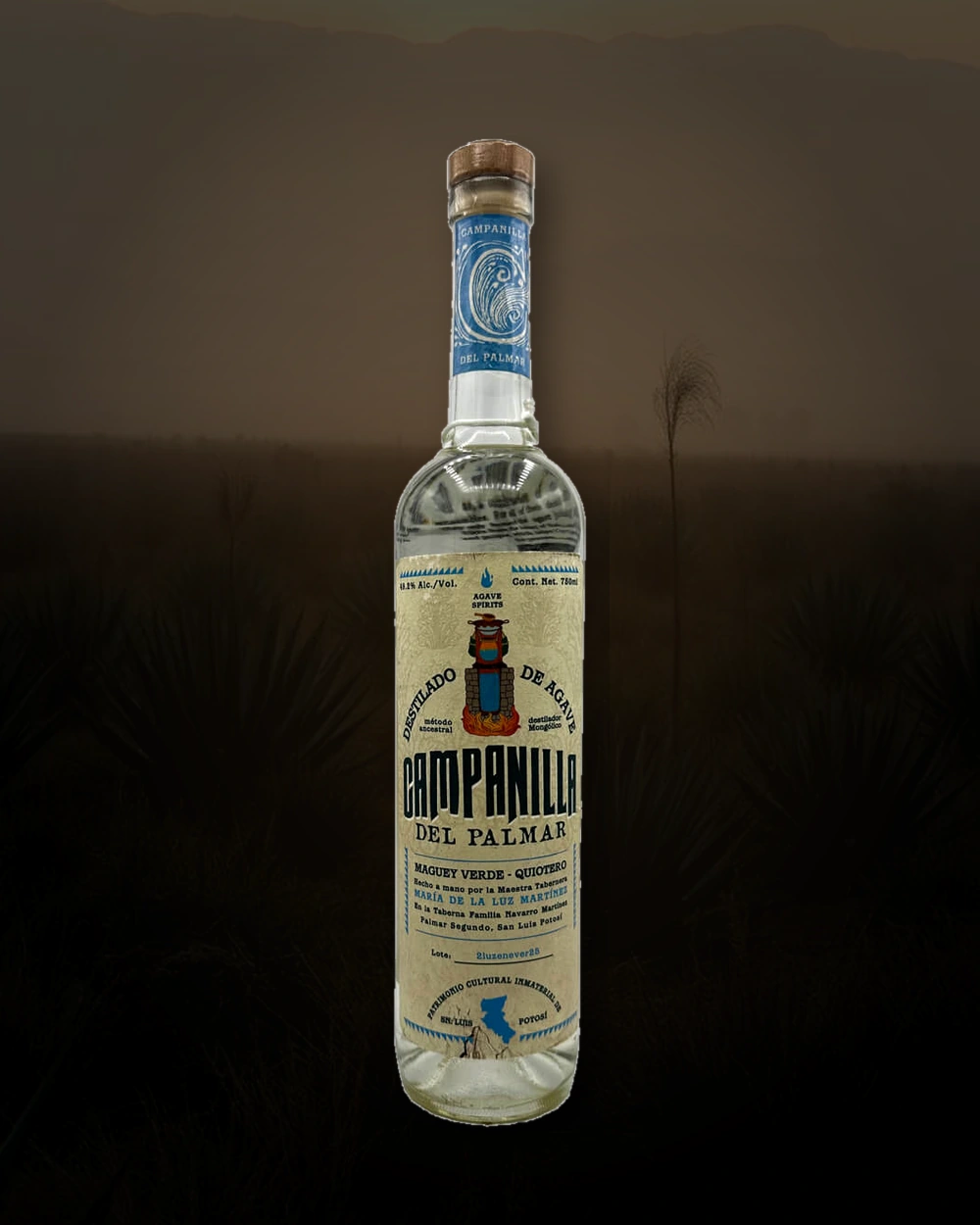
Campanilla del Palmar Verde Quiotero – M. Maria de la Luz
Mezcal · San Luis Potosí
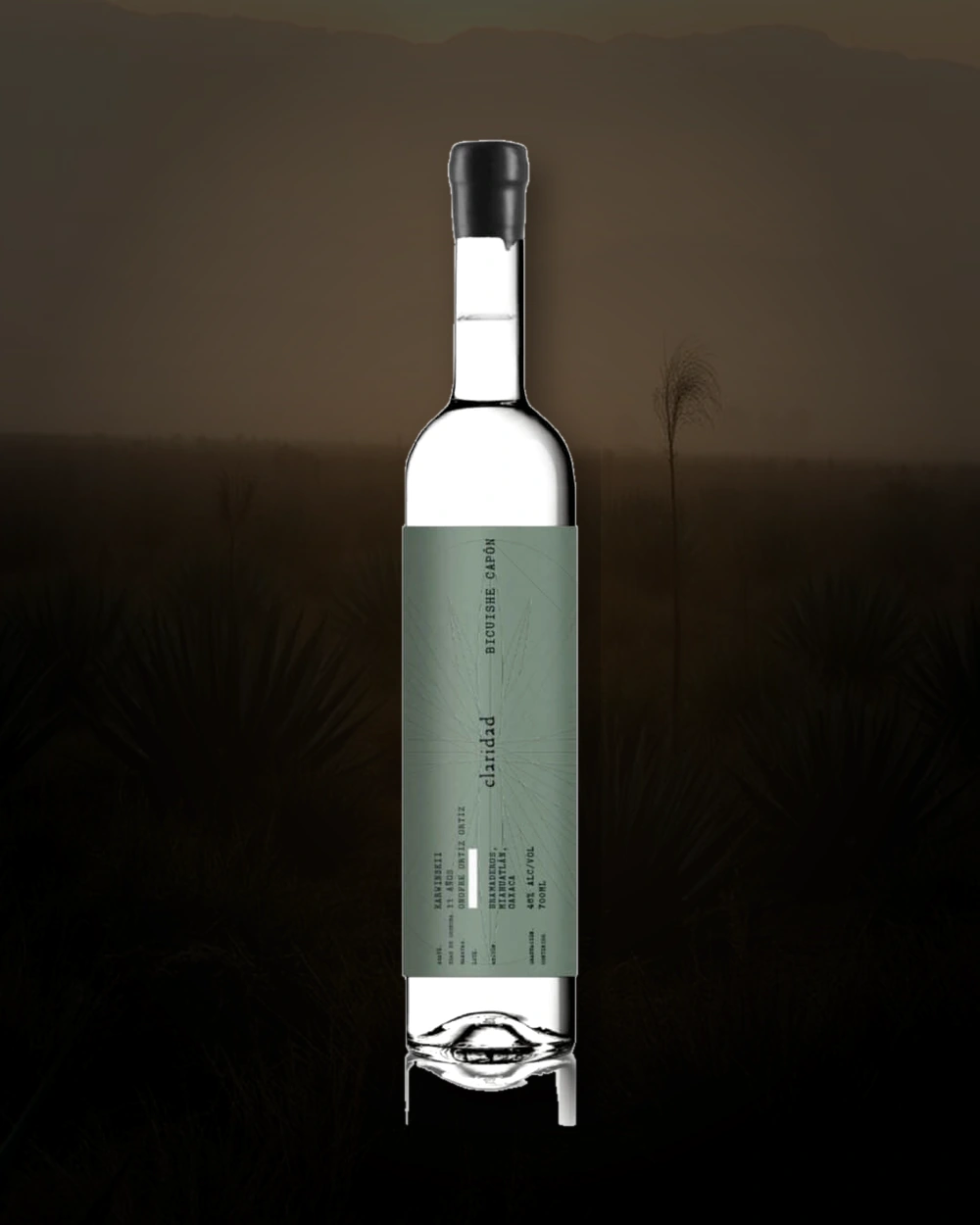
Claridad Bicuishe Capon – Onofre Ortíz
Mezcal · Oaxaca
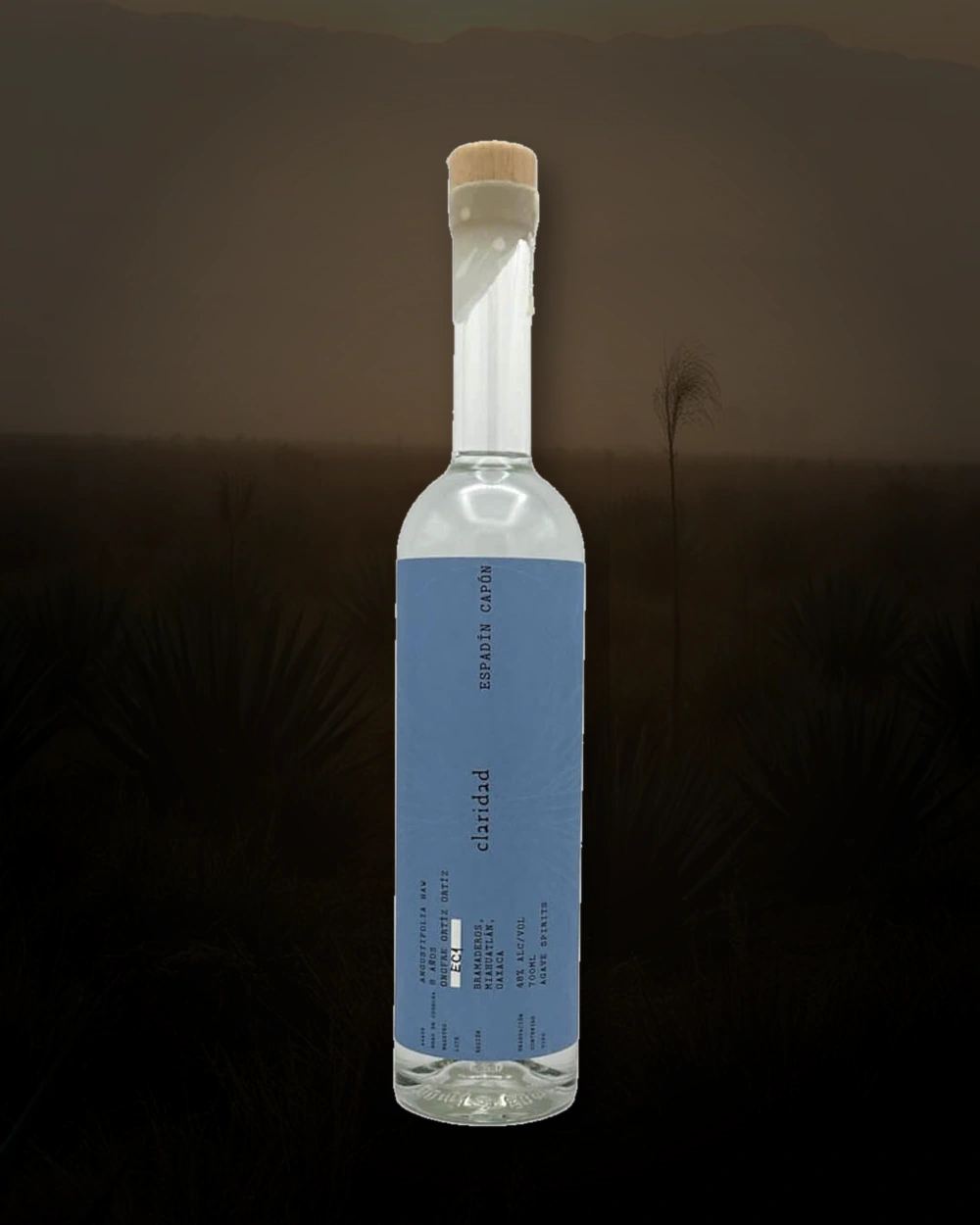
Claridad Espadin Capon – Onofre Ortíz
Mezcal · Oaxaca
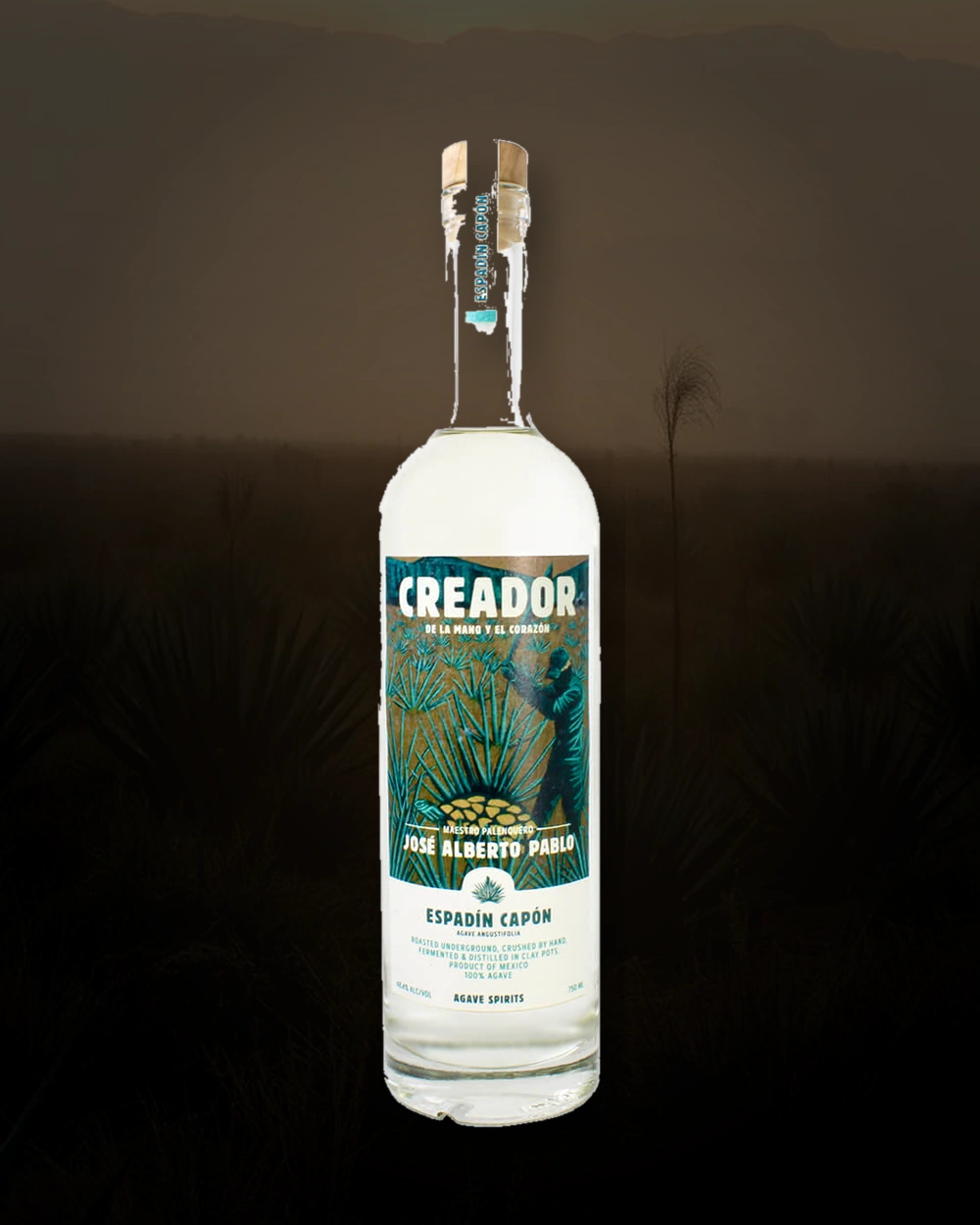
Creador Espadin Capon
Mezcal · Oaxaca
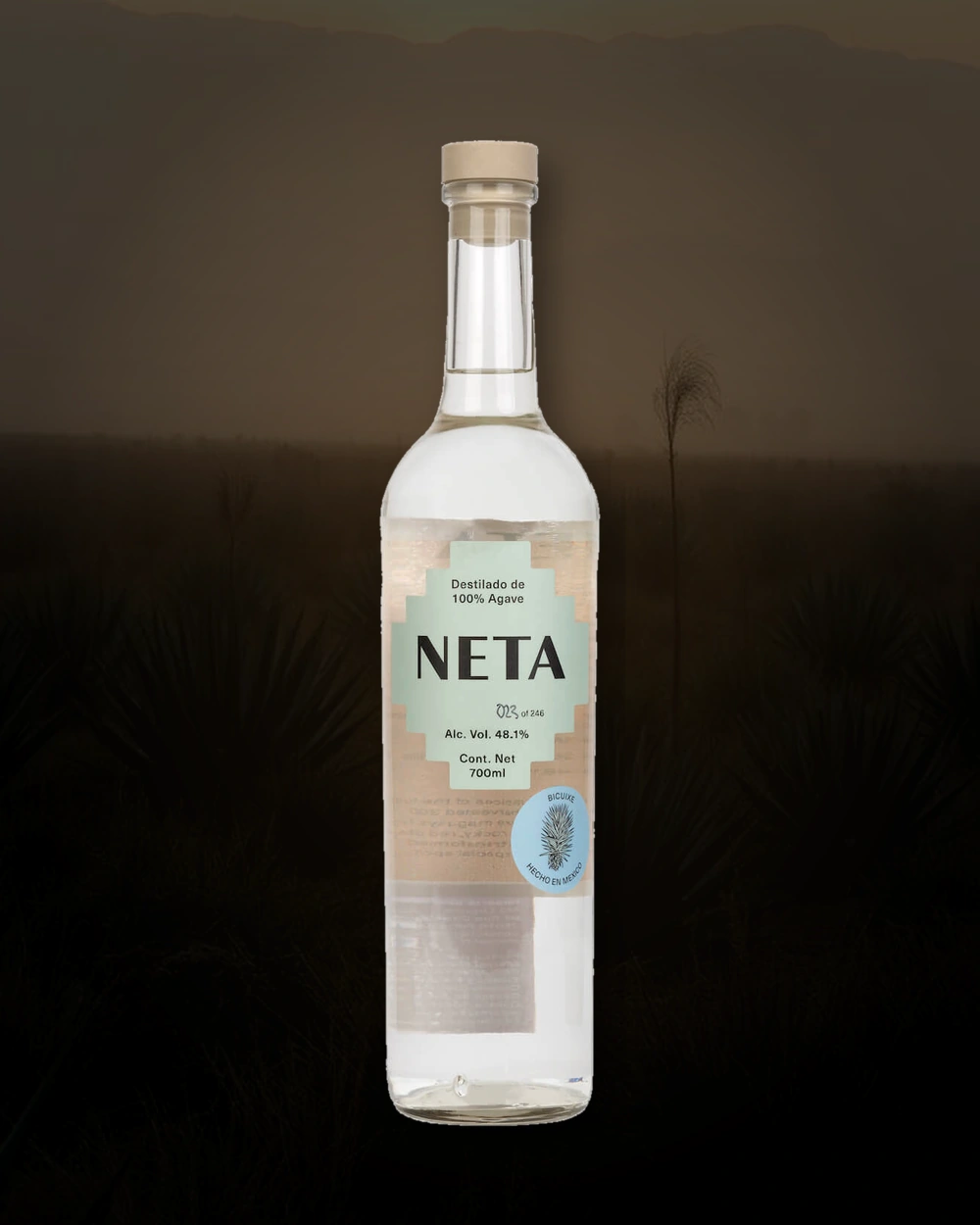
NETA Tepextate – Tomás García Cruz
Mezcal · Oaxaca
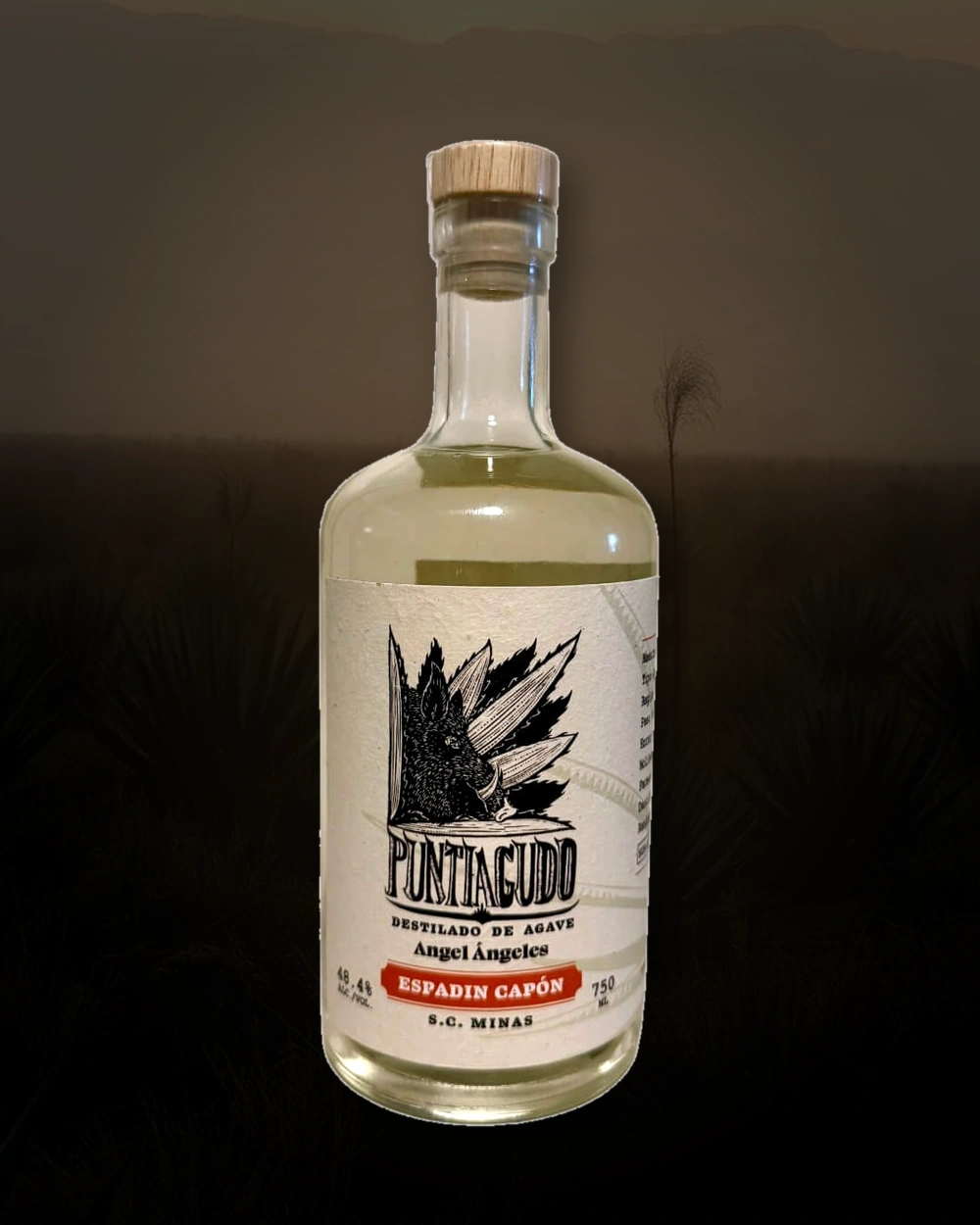
Puntiagudo Espadin Capon – Angel Ángeles
Mezcal · Oaxaca
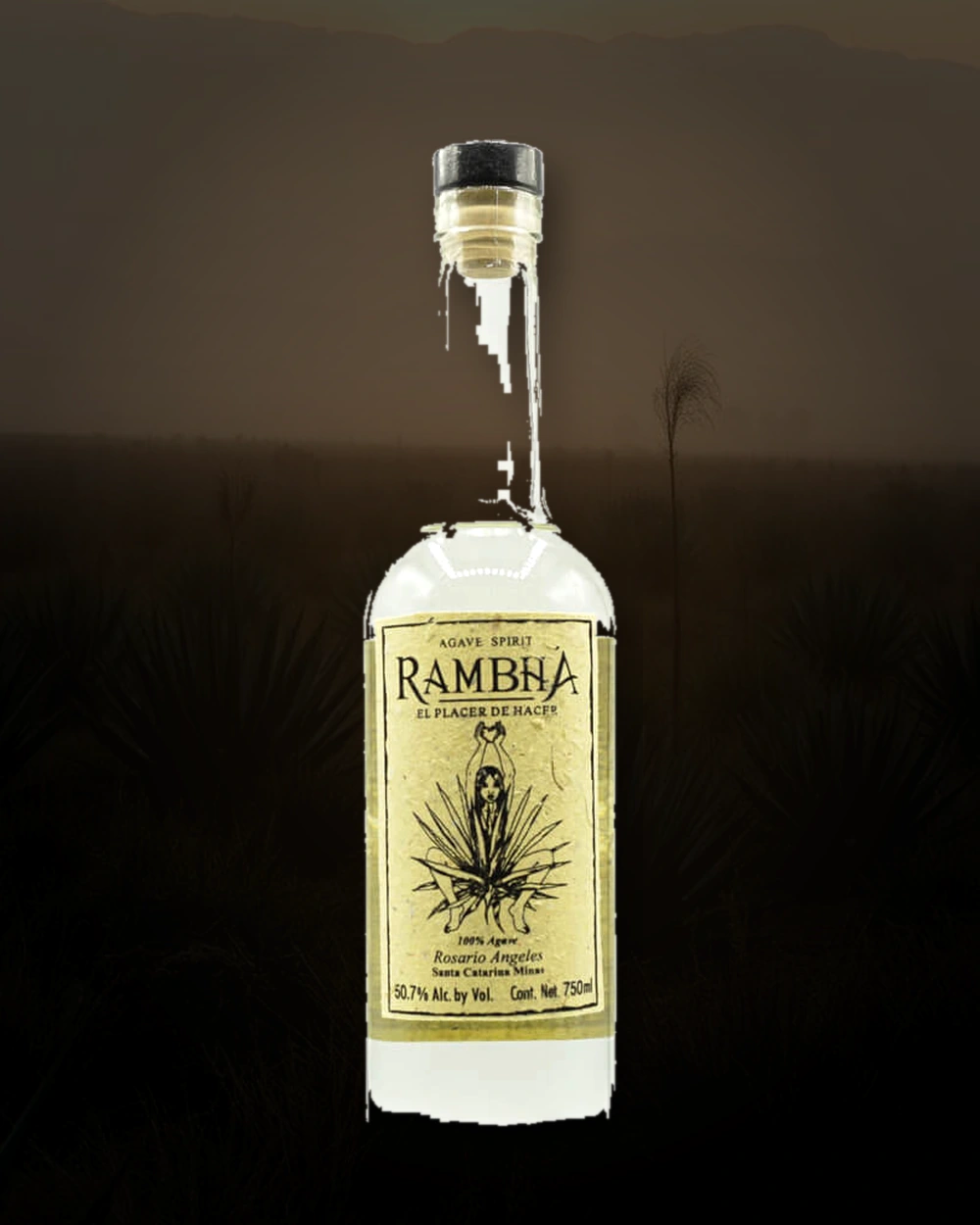
Rambha Espadin Capon
Mezcal · Oaxaca
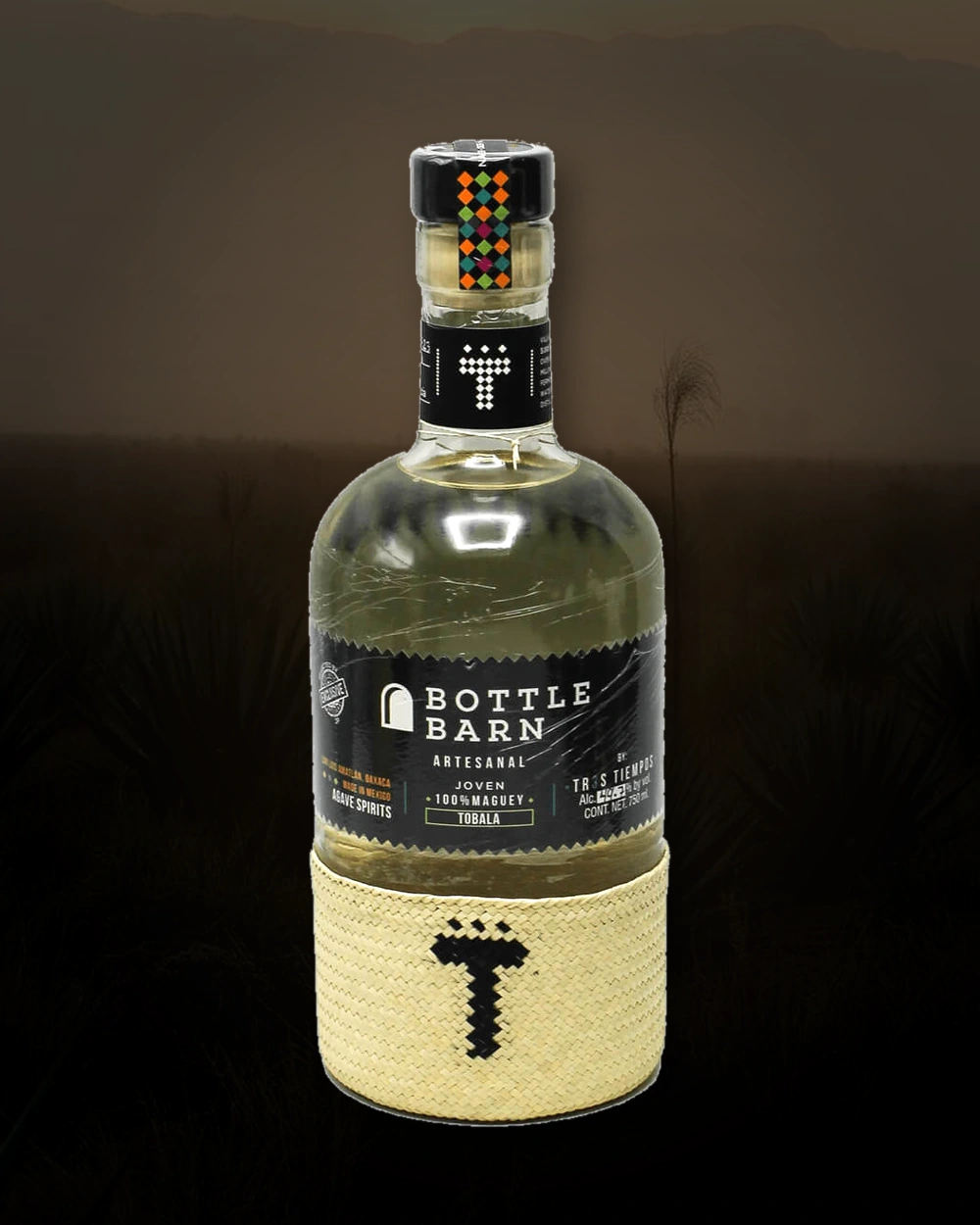
Tr3s Tiempos Tobala – Diego Lucas Garcia
Mezcal · Oaxaca
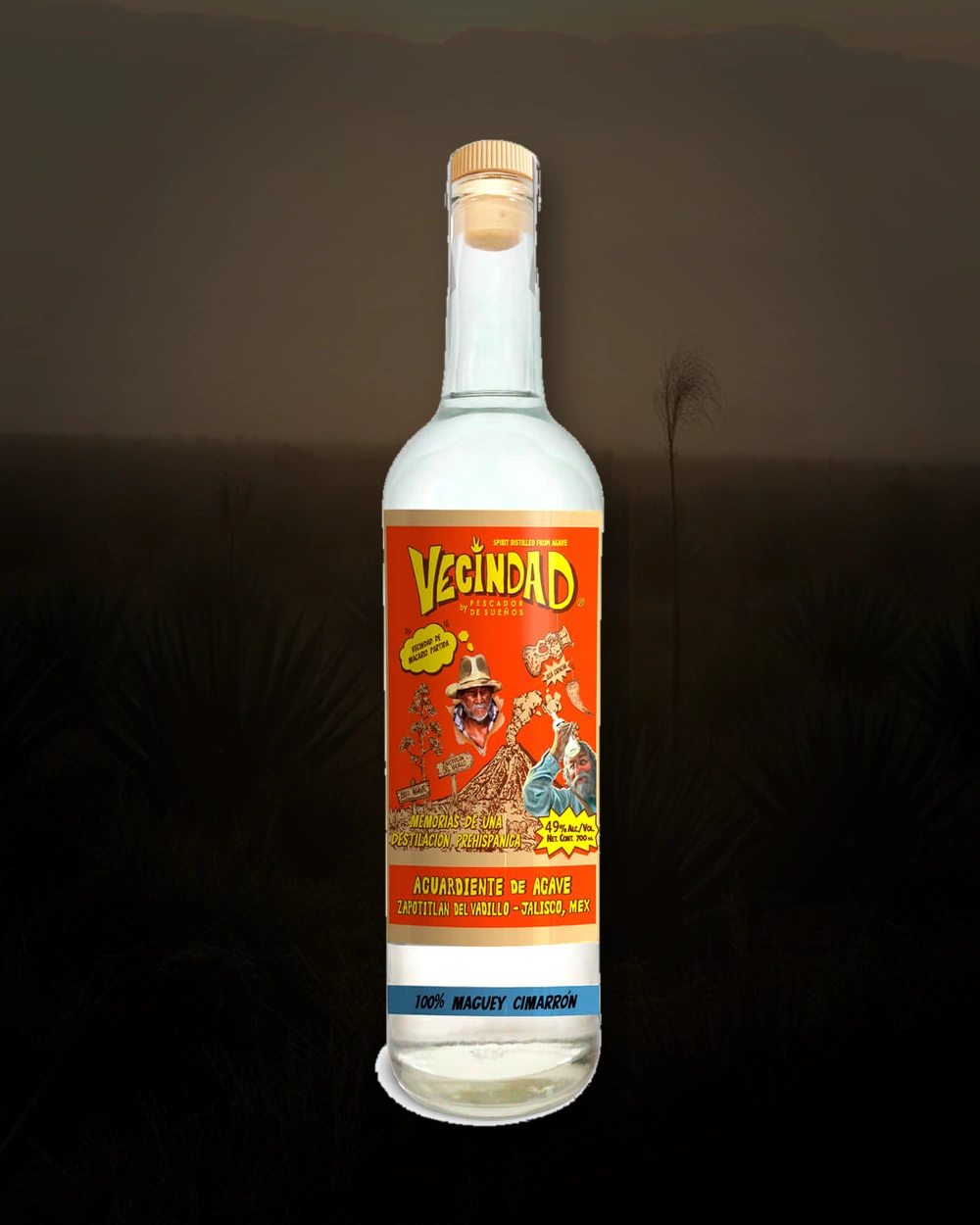
Vecindad Cimarrón – Macario Partida
Mezcal · Jalisco
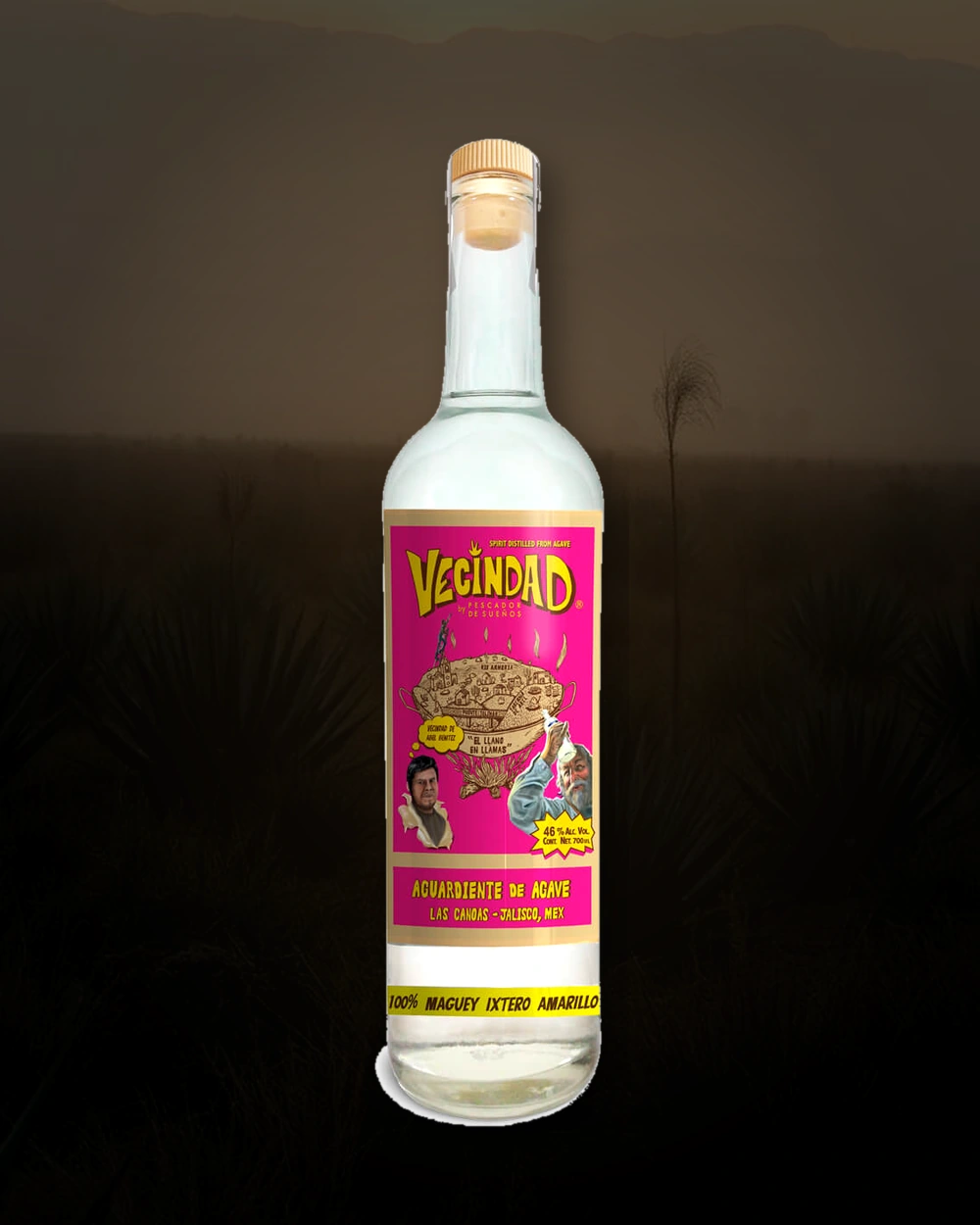
Vecindad Ixtero Amarillo – Abel Benitez
Mezcal · Jalisco
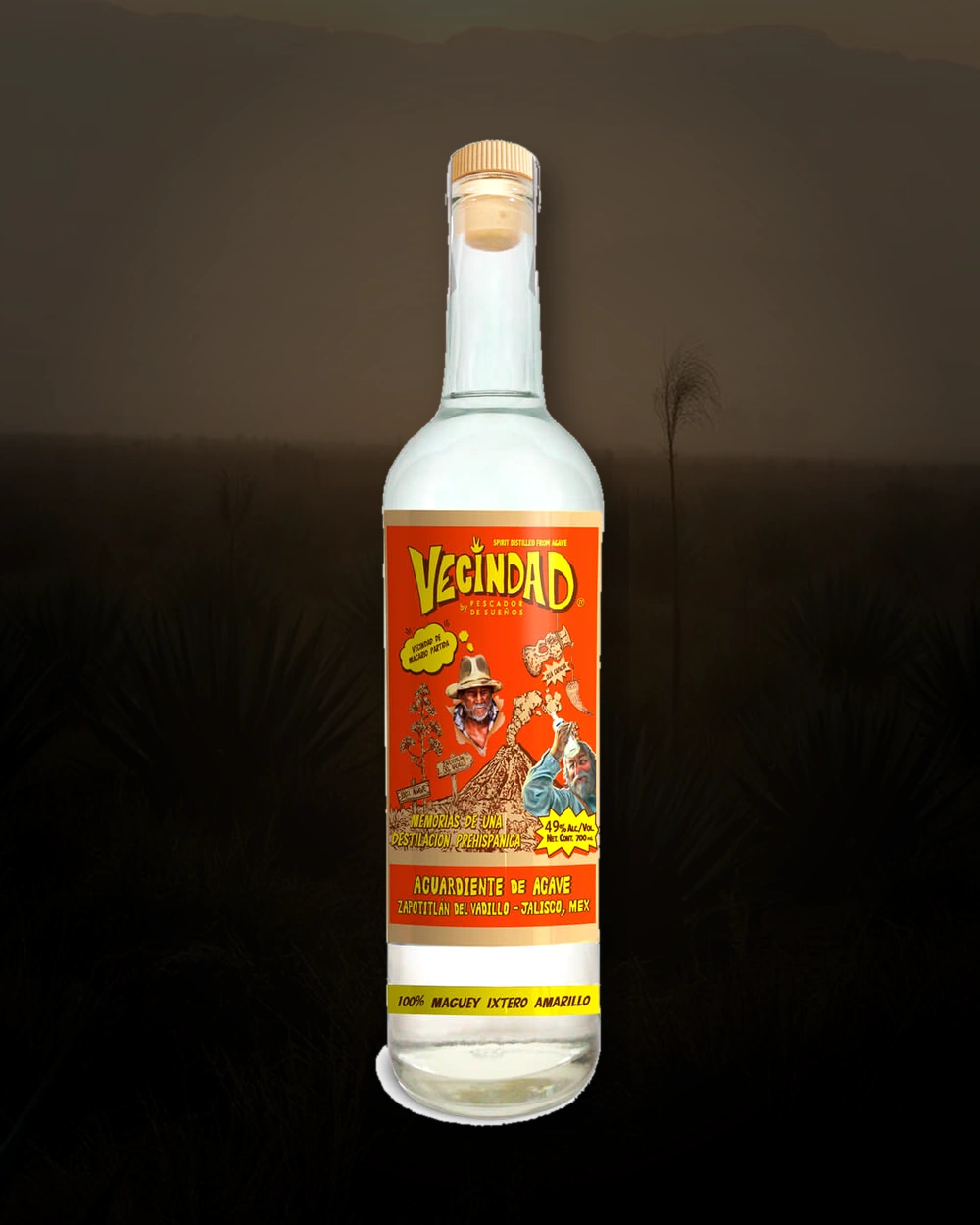
Vecindad Ixtero Amarillo – Macario Partida
Mezcal · Jalisco
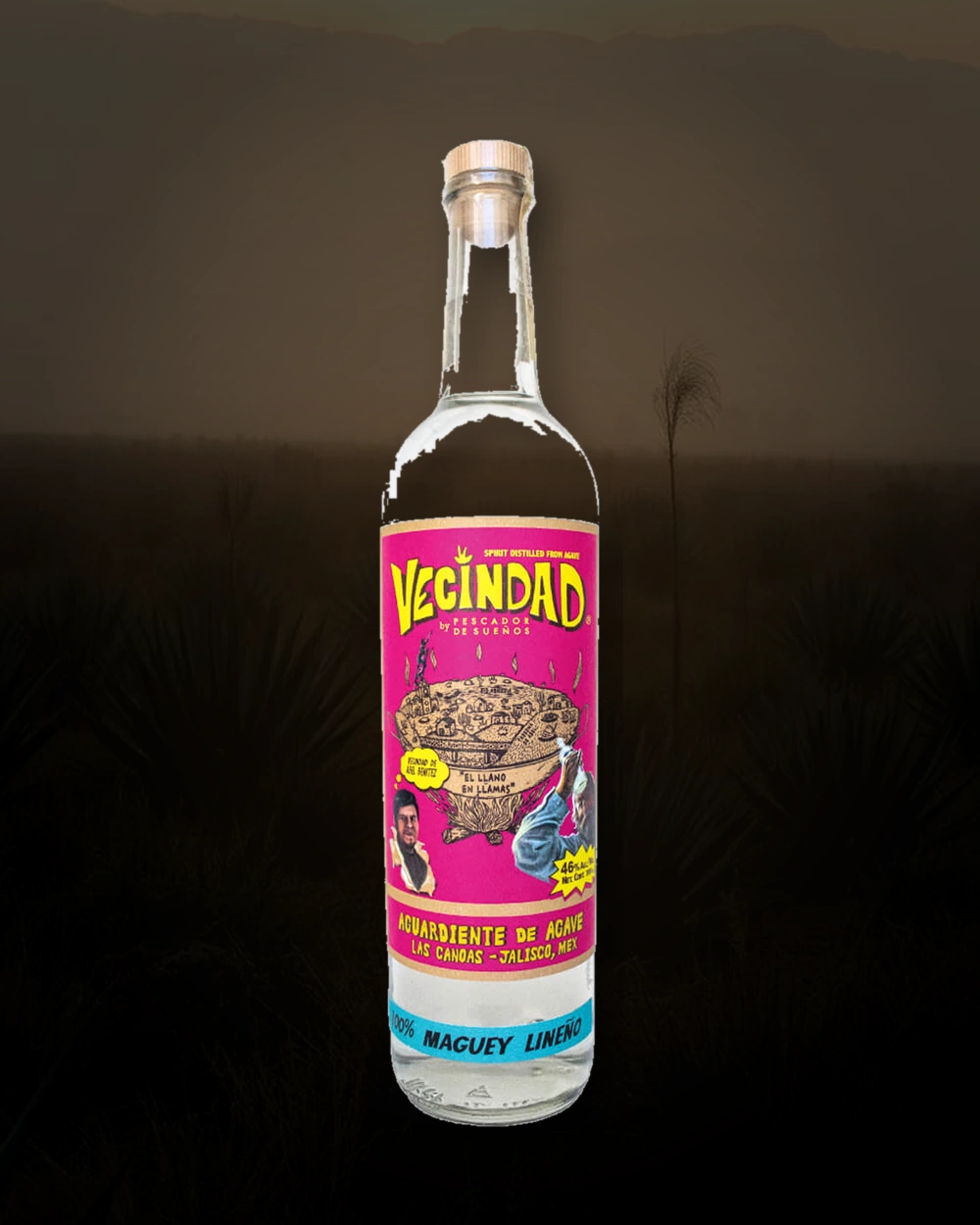
Vecindad Lineño – Abel Benitez
Mezcal · Jalisco
Frequently asked
- What does capón mean on a mezcal label?
- It means the agave's flower stalk was cut before harvest so the plant kept concentrating sugars instead of spending them on flowering.
- Does capón mezcal taste sweeter?
- Generally yes. The additional ripening raises sugar concentration, which usually reads as richer, rounder and more honeyed in the glass.